
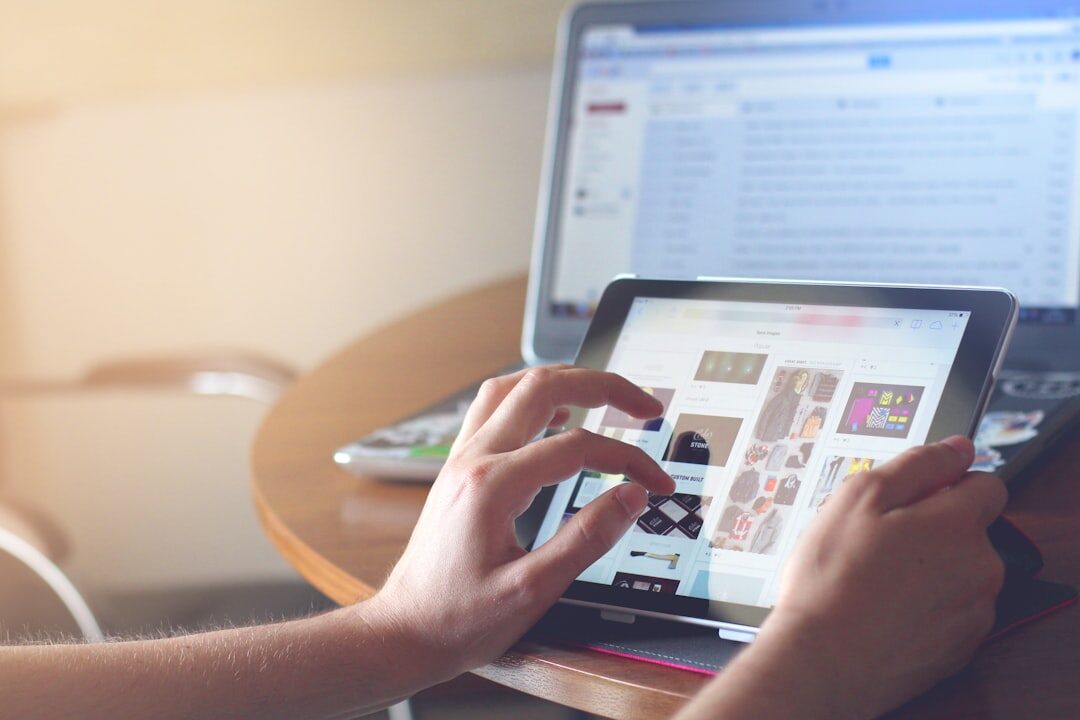
In today's fast-paced world, the way we consume news has undergone a dramatic shift thanks to the proliferation of smart gadgets. Gone are the days when people relied solely on printed newspapers or scheduled television broadcasts to stay informed. Instead, devices like smartphones, tablets, and smartwatches have placed a world of information at our fingertips, allowing for real-time updates and interactive experiences that were unimaginable just a decade ago.
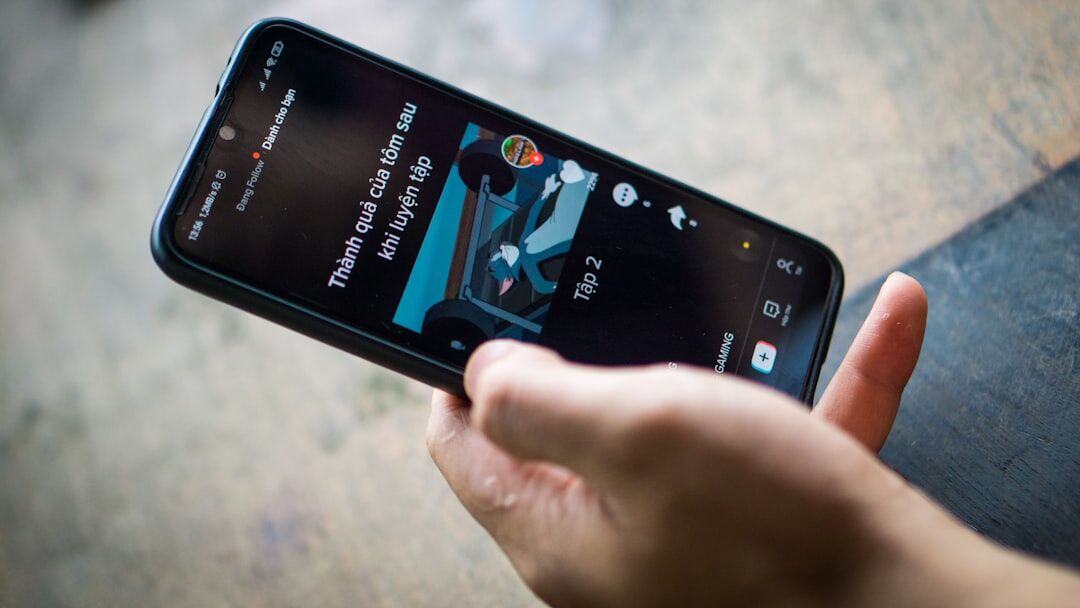
Smartphones, in particular, have become the primary gateway to news for millions around the globe. With apps from major outlets and independent sources, users can customize their feeds based on personal interests, location, and even reading habits. This level of personalization ensures that individuals receive relevant stories without sifting through irrelevant content. Moreover, features like push notifications keep people alerted to breaking events as they unfold, fostering a sense of immediacy that traditional media simply cannot match.
The Rise of Wearable Technology
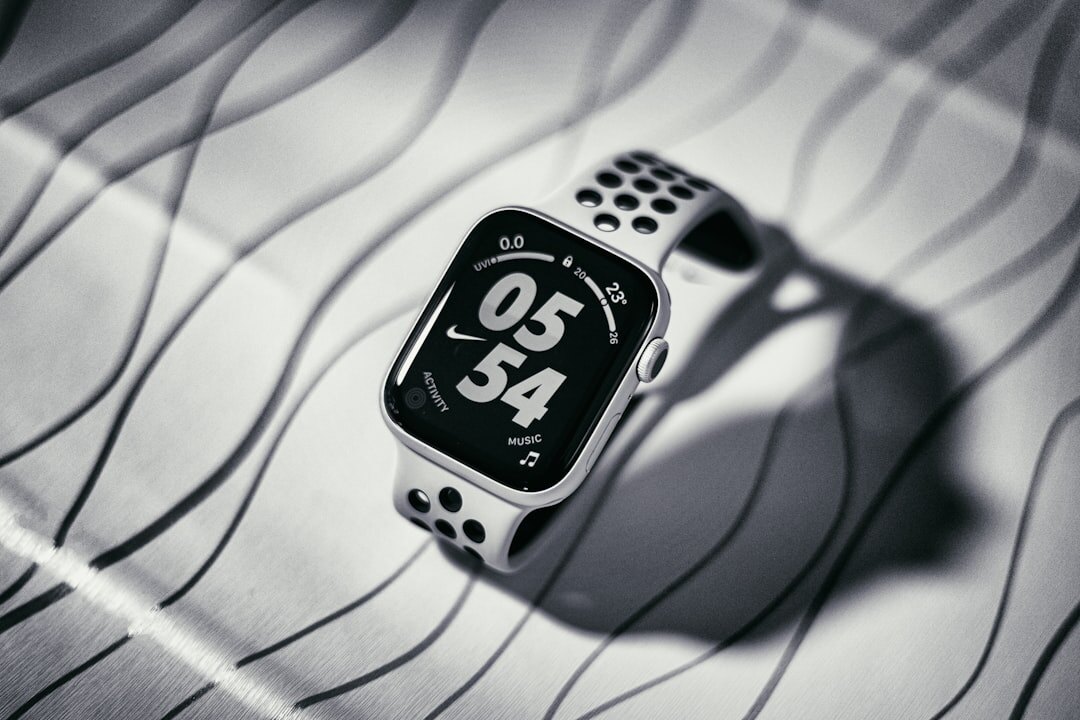
Wearables such as smartwatches and fitness trackers are also playing a surprising role in news delivery. These compact devices offer glanceable information, from headlines to weather updates, integrated seamlessly into daily routines. Imagine checking stock market changes or political developments while commuting without pulling out a phone. This hands-free approach not only saves time but also encourages more frequent engagement with current events.
Tablets and Immersive Reading
Tablets bridge the gap between portability and screen size, offering a more immersive reading experience than phones. Many users prefer them for in-depth articles, interactive graphics, and multimedia stories that combine text with videos and infographics. E-readers with news subscriptions further enhance this by providing distraction-free environments ideal for long-form journalism.
Voice Assistants and Audio News
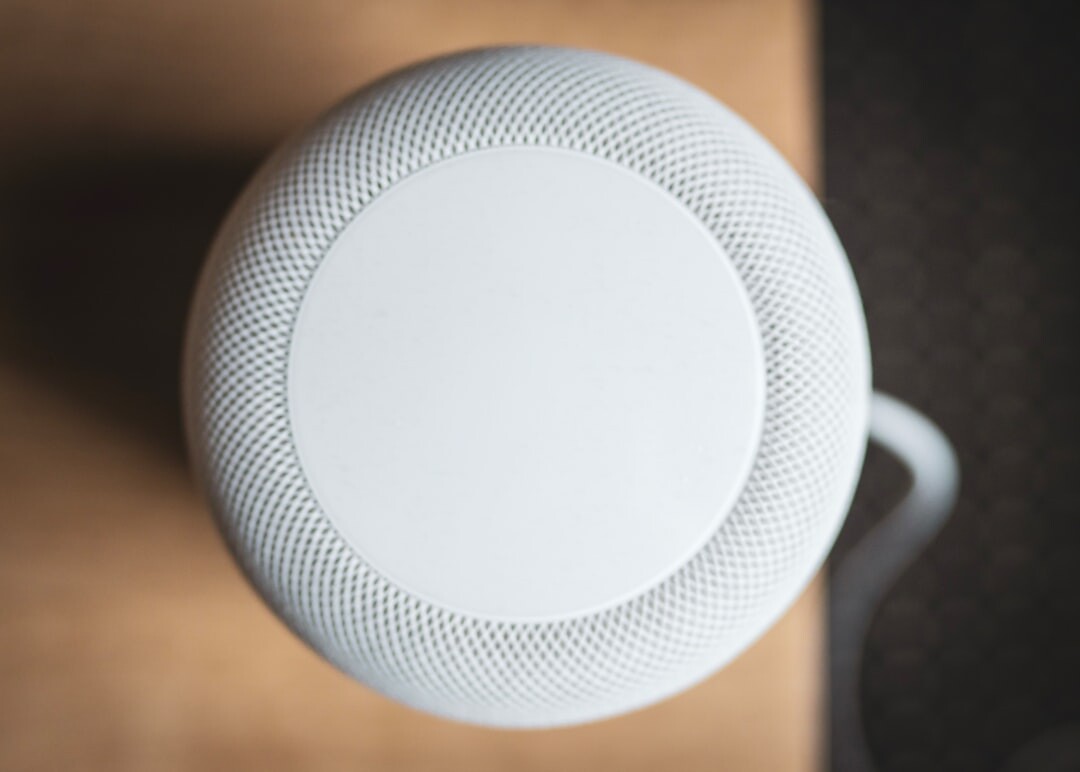
Voice-enabled gadgets like smart speakers have introduced a hands-free dimension to news consumption. Users can ask for summaries of the day's top stories or request specific topics while preparing breakfast or driving. This audio format appeals to those who prefer listening over reading, expanding access for busy professionals and visually impaired individuals alike.
Artificial intelligence integrated into these gadgets analyzes user preferences over time, curating better recommendations and even generating personalized podcasts. However, this convenience comes with challenges, including the spread of misinformation through algorithmic echo chambers and concerns over data privacy. Users must remain vigilant, cross-referencing sources to ensure accuracy.
Future Trends in Gadget-Driven News
Looking ahead, emerging technologies like augmented reality glasses promise even more revolutionary changes. Imagine overlaying live news feeds onto the real world during events or exploring 3D models of news locations. As these gadgets evolve, they will likely blur the lines between consumption and participation, turning passive readers into active contributors.

Ultimately, gadgets are not just changing how news is delivered but also how society engages with it. By making information accessible, interactive, and tailored, these devices empower individuals to stay informed in ways that foster greater awareness and connectivity. As technology advances, the revolution in news consumption shows no signs of slowing down.